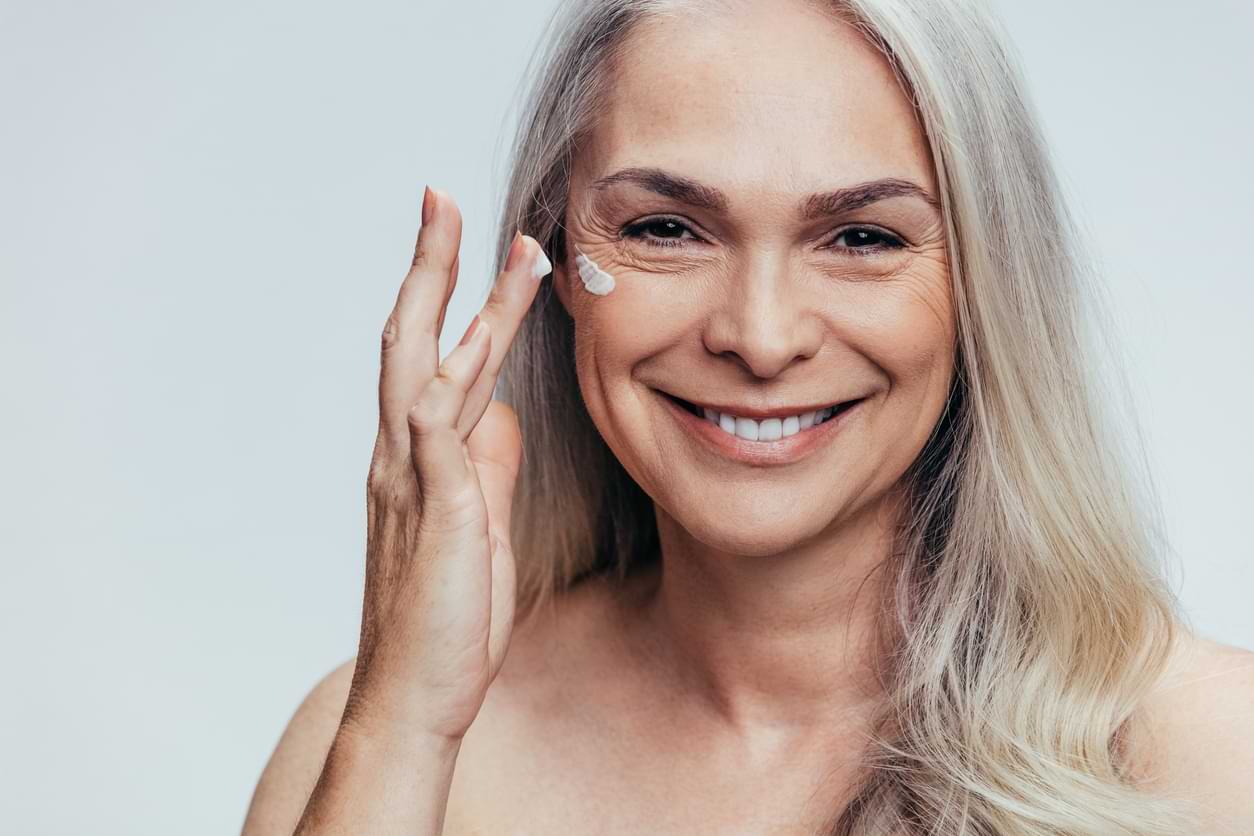
Look Like Yourself, Only Better.
Restore your youthful appearance through cosmetic surgery and procedures for the face and neck.
Enhance Your Appearance
Erase Years
Restore Your Confidence
It’s hard to feel like yourself when you don’t look like yourself anymore.
Don’t recognize that face in the mirror? When your appearance no longer reflects the way you feel on the inside, it’s easy to become really uncomfortable in your own skin.

It’s never too late to love the way you look again
Enhance Your Appearance
Subtle changes go a long way to not only make you look great but feel great, too.
Erase Years
Ageing is inevitable, but you can turn back time with the right procedure customized to your needs.
Restore Your Confidence
Say goodbye to those insecurities and get back to living your best life.
FAQ
A facelift, or rhytidectomy, is the most comprehensive way to remove or reduce the appearance of wrinkles and sagging of the face caused by age. During the procedure, the facial and neck skin, muscles, and underlying tissue–collectively referred to as the superficial muscular aponeurotic system (SMAS)– is repositioned and tightened, and in some instances, excess fat deposits are removed. The end result is smoother, firmer skin and a natural, fresher, more youthful appearance.
Yes. There is a full spectrum of facelifts to consider depending on the amount of submental or neck laxity. These approaches range from upper limited-incision or short-scar facelifts to full facelifts including the neck soft tissue. Regardless, Dr. Rosing’s goal remains the same: the highest quality, natural results.
You may want a facelift if you have:
- Sagging skin and muscles in the face and neck
- Excess skin and fat in the face and neck area
- A sagging jawline
- Crease lines along the nose, mouth, and chin
For best results, a facelift is often done in conjunction with brow repositioning and periorbital rejuvenation or eyelid surgery. Occasionally, cheek or chin implants are used to restore facial volume. If indicated, full facial rejuvenation may involve a face and neck lift with fat grafting (fat taken from your abdomen or inner thigh region is used to smooth and fill wrinkled or depressed areas of the face), brow repositioning with removal of excess eyelid skin, and skin resurfacing with a light chemical peel.
A facelift cannot reverse sun damage to the skin or remove all facial wrinkles around the eyes, below the nose, and around the lips. For best results, you may want to have a facelift and then treat the remaining wrinkles with injectables.
During your consultation, Dr. Rosing will start by asking about your goals for the procedure and what specifically you would like to change about your appearance and why. Dr. Rosing will examine your face and discuss your best treatment options to achieve your desired results. In doing so, he may suggest additional changes, such as a chin implant or eyebrow lift, or an alternative procedure if that better suits your goals. He will share before and after photographs of his work and set realistic expectations. He will also complete a full medical history, evaluate your current health, and make note of any prescriptions or supplements you take and whether you smoke. He will then review all of the possible risks of the surgery and a complete breakdown of the cost.
A patient will either be given general anesthesia or a sedative through an intravenous line and local anesthesia to numb the skin.
A facelift is an outpatient procedure. In some instances, overnight (24-hour) observation at the surgery center or a private aftercare facility is available for patients that prefer nursing assistance.
The type of facelift determines the length of incision used. As the name suggests, a short-scar facelift uses a shorter posterior incision. For a full facelift, Dr. Rosing will make an incision that starts in the temple area and extends downward along the natural ear curves, around the ear lobe and back up to the bone along your hairline behind your ear. The skin is then elevated, and the muscle and tissue underneath (SMAS) is tightened. The nuance in face lifting is in the SMAS dissection. Depending on each patient’s unique facial skin characteristics, soft tissue volume, shape, symmetry or asymmetry, neck obliquity, skeletal contour, and animation characteristics, Dr. Rosing alters the SMAS dissection and tightening to fit these features. Once the SMAS has been addressed, the skin is then re-draped over the facial soft tissue, excess is trimmed, and the incision is carefully sutured. The incision is beveled at the hairline to allow for follicles to grow through the scar and is sewn along a natural crease in order to camouflage the incision area.
By default, when performing a facelift that involves elevating and tightening the SMAS layer, the neck is also tightened. This is the result of normal facial anatomy as the SMAS and neck muscle (platysma) are connected. The dissection will commonly also tighten sagging jowls (lower cheeks along the jawline) in front of the ear as the layers of the neck and lower face are in continuity.
A facelift usually takes several hours.
A facelift does make your face appear younger and healthier, but your face will continue to age after surgery. Proper use of sunscreen every day and a consistent skin care routine will prolong results.
Your face will be bandaged after your facelift surgery. Dr. Rosing will discuss prescription medication options to manage your pain, as well as how to use cold compresses to relieve any swelling and bruising of the face that may occur after the surgery. You will need to keep your head elevated and still as much as possible immediately following surgery.
The bandages are usually removed the day after surgery at your initial post-operative visit. If a drainage tube has been placed (usually behind the ear), it will also be removed the day after the surgery. Dr. Rosing will remove your stitches in 5-10 days.
Most patients can expect to return to normal activities 2-3 weeks after a facelift. At first your face will feel stiff, dry or even rough for a few months. Your face may even look and feel strange to you, but this is normal. It is important, however, to be prepared for this type of feeling post surgery.
Numbness of the skin may last for months after the surgery due to the shifting of skin to new areas of the face. Men sometimes have to shave in new places because the skin has been rearranged, but laser hair removal or electrolysis can be used for beard hairs that have shifted to a new position.
It is important to avoid any form of nicotine for, at minimum, two weeks before and after surgery. Nicotine, in any form, can increase the risk for skin and tissue death and will delay your face’s healing process and worsen scarring. You must also avoid vigorous activity or exercise for xxxtime. Avoid scratching your incisions, and do not put ice or anything hot directly onto the skin in your neck area. You may have decreased awareness of temperature due to numbness.
Problems that may be caused by having a facelift include:
- Adverse reactions to the anesthesia
- Bleeding under the skin or hematoma
- Infection
- Damage to the nerves that supply the muscles of the face, which may cause paralysis or spasm in the face (usually temporary)
- Facial numbness that may last 6 months to a year
- Hair loss
- Tissue loss
- Scarring
- Pulmonary embolism (not common)
Complications are rare and are often easily solved by Dr. Rosing if you notify us. Call us if you experience any of the following: a temperature of 101 or higher, increased local redness or warmth, chest pain, shortness of breath, legs swelling, calf pain, swelling or firmness in one side of the face, or if you have any other concerns.
No. Insurance companies do not cover the costs of facelifts. It is important to find out the total costs of the procedure, which includes Dr. Rosing’s fees along with fees for the operating facility, anesthesia, medicines, follow-up care, office visits, and other services. Make sure you ask your health insurance company about its policies and whether having a facelift will affect your coverage in any way. Some insurance companies may raise your premiums after you get cosmetic surgery, and, in some instances, getting a facelift affects future coverage. If your plan won’t cover treatment for any complications from cosmetic surgery, you may want to consider getting a supplemental insurance policy.